Our Story
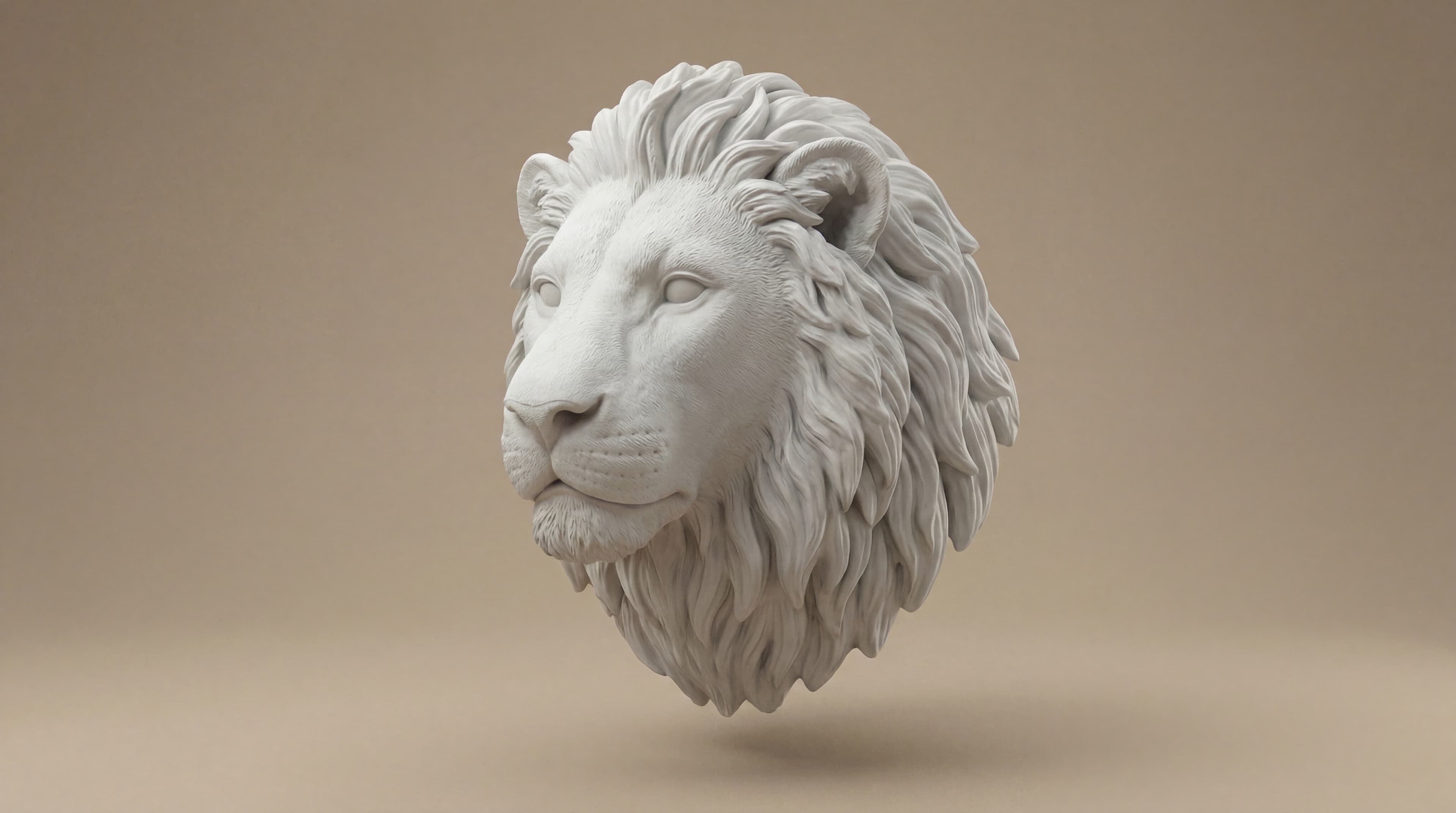
Wild White began with a gift. Years ago, my father gave me a porcelain face of Laocoön, the Trojan priest whose anguish Greek sculptors carved into marble two thousand years ago. I fell in love with it slowly. I kept it where the light could reach it, and I noticed the face never looked the same twice. Morning light softened it. By evening, shadow settled into the brow and gathered under the cheekbones, and the whole expression deepened. Even the shadow it cast on the wall behind it seemed alive. A single white object, holding all of that.
The other constant in my life has been animals. I grew up watching the Discovery Channel, fascinated by the creatures on screen — not the tame, decorative versions, but the real ones, caught in the middle of their own lives. What held me was the intensity: every animal seemed to carry a story. A person's face is the front cover of everything they've lived through. I believe an animal's face is the same. The set of a jaw, the fix of the eyes: it's a record of survival, written in muscle and bone.
Wild White is where those two things meet. Each bust takes what that porcelain face taught me — that white form and shadow are enough to carry real emotion — and gives it to the animal faces I can't look away from.
The Craft
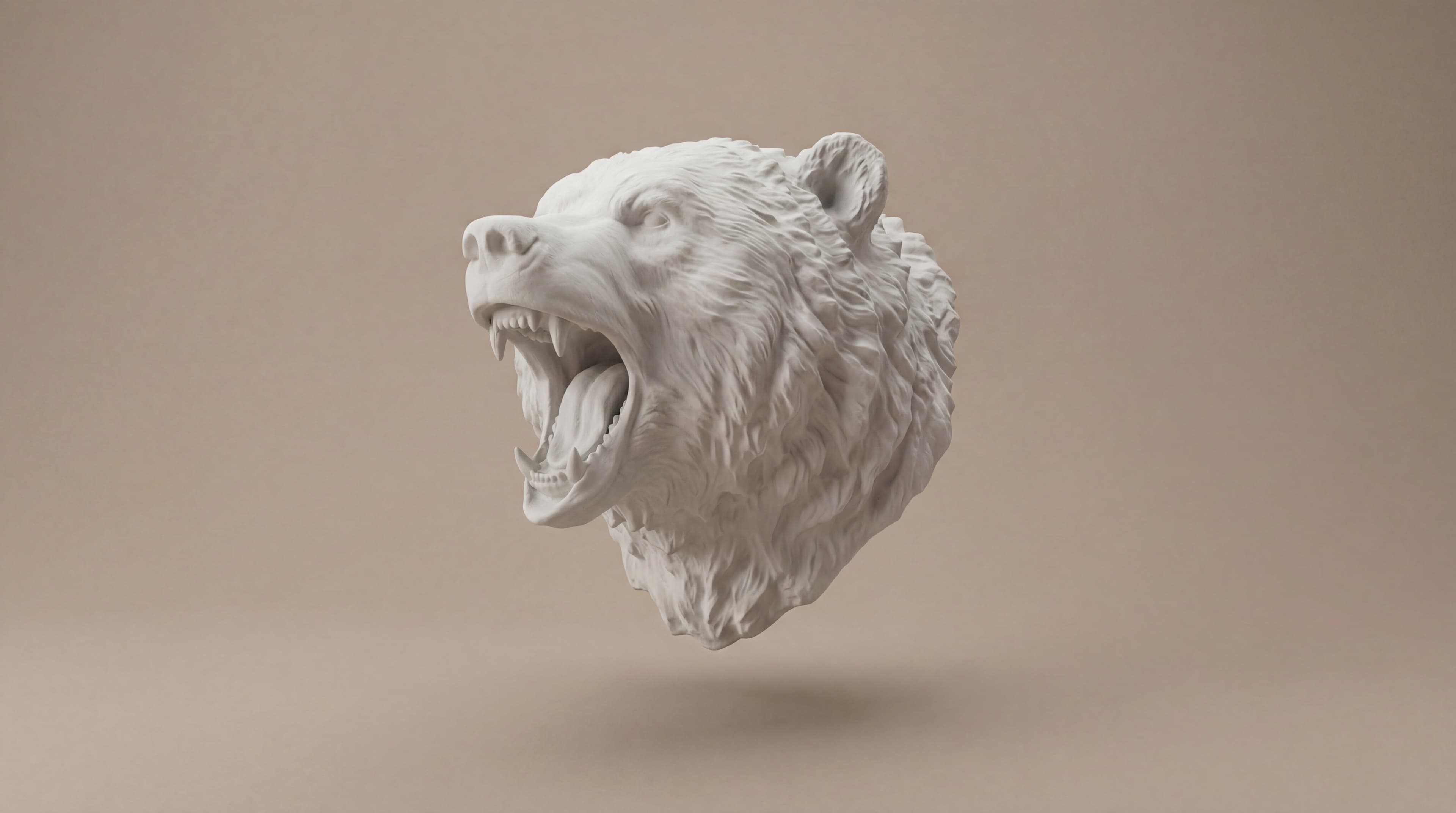
Every sculpture starts as a digital model. I spend a long time with photographs and footage of each animal in the wild, looking for the expression that feels most like the animal itself — not a neutral pose, but the moment the face is actually saying something. That expression gets worked into the sculpture detail by detail, until it holds up from every angle.
The finished model is brought into the physical world through precision 3D printing in a premium PLA, then finished and inspected by hand before it leaves the studio. Every piece is made to order. Nothing sits in a warehouse.
White is what lets the shadows do the work. Color tells you what to see; shadow lets you find it yourself. The matte finish reads like porcelain, and because the pieces carry no color of their own, they fit anywhere — beside any palette, in any room, modern or old. White is unforgiving, too: with nothing to hide behind, every crease and contour either holds a shadow well or it doesn't. That is the standard each piece has to meet — set it near a window, and the face should change with the day, the way that porcelain face still does on my shelf.